Magneto Switch Updates
Christopher Edwards
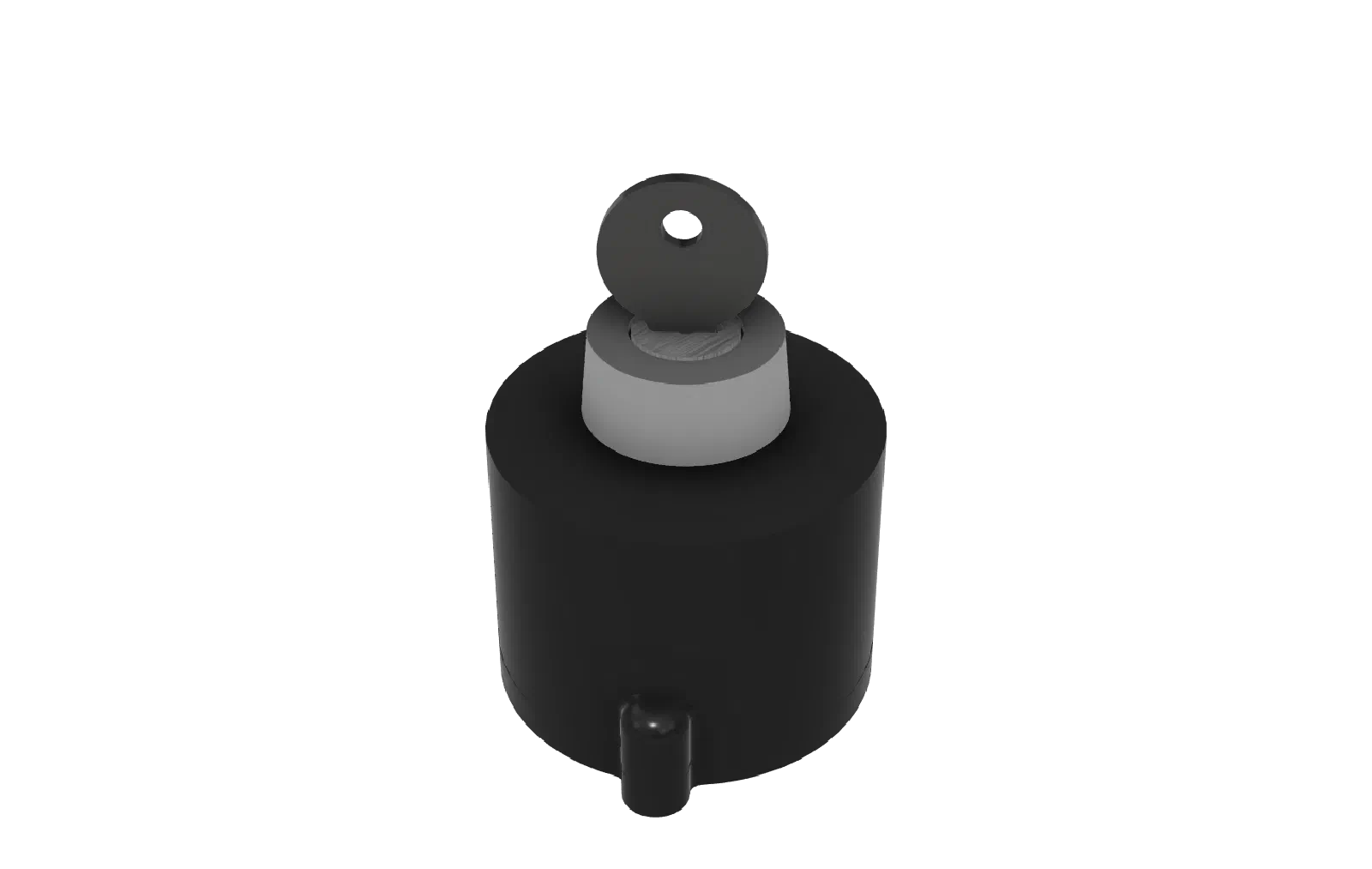
Refining the Magneto Switch: Getting the Feel Right
The magneto switch has been one of the more challenging controls to get right on the C172 simulator. The basic electrical functionality was relatively straightforward, but reproducing the tactile feel of the switch in an actual aircraft turned out to require quite a few iterations.
The goal was to create a switch that not only looked the part but also operated like the real thing, with positive detents at each position and a spring-loaded start position that returns to BOTH when released. Getting those details right took several redesigns, a lot of experimentation, and some fine-tuning of the mechanical tolerances.
Initial Concept
The first design combined an off-the-shelf electrical switch with a 3D-printed spring mechanism. This provided a starting point for the physical layout and allowed me to begin experimenting with how the switch should move between positions.
Using an off-the-shelf switch made it possible to get the basic functionality working quickly, but it didn’t provide the level of control over the mechanical feel that I wanted. The spring mechanism and switch would need to be developed further to better replicate the operation of an aircraft magneto switch.
Prototyping the Wiper and Contacts
The next iterations moved toward a custom switching mechanism. I experimented with a wiper and electrical contacts made from foil, using the materials as a quick way to prototype an idea I had for how the switch could work.
This approach allowed me to explore the electrical contact arrangement without committing to a custom circuit board too early in the process. It was a useful way to validate the concept and understand how the mechanical movement could be translated into electrical positions.
Once the basic arrangement was proven, I designed a custom circuit board to replace the foil-based contacts.
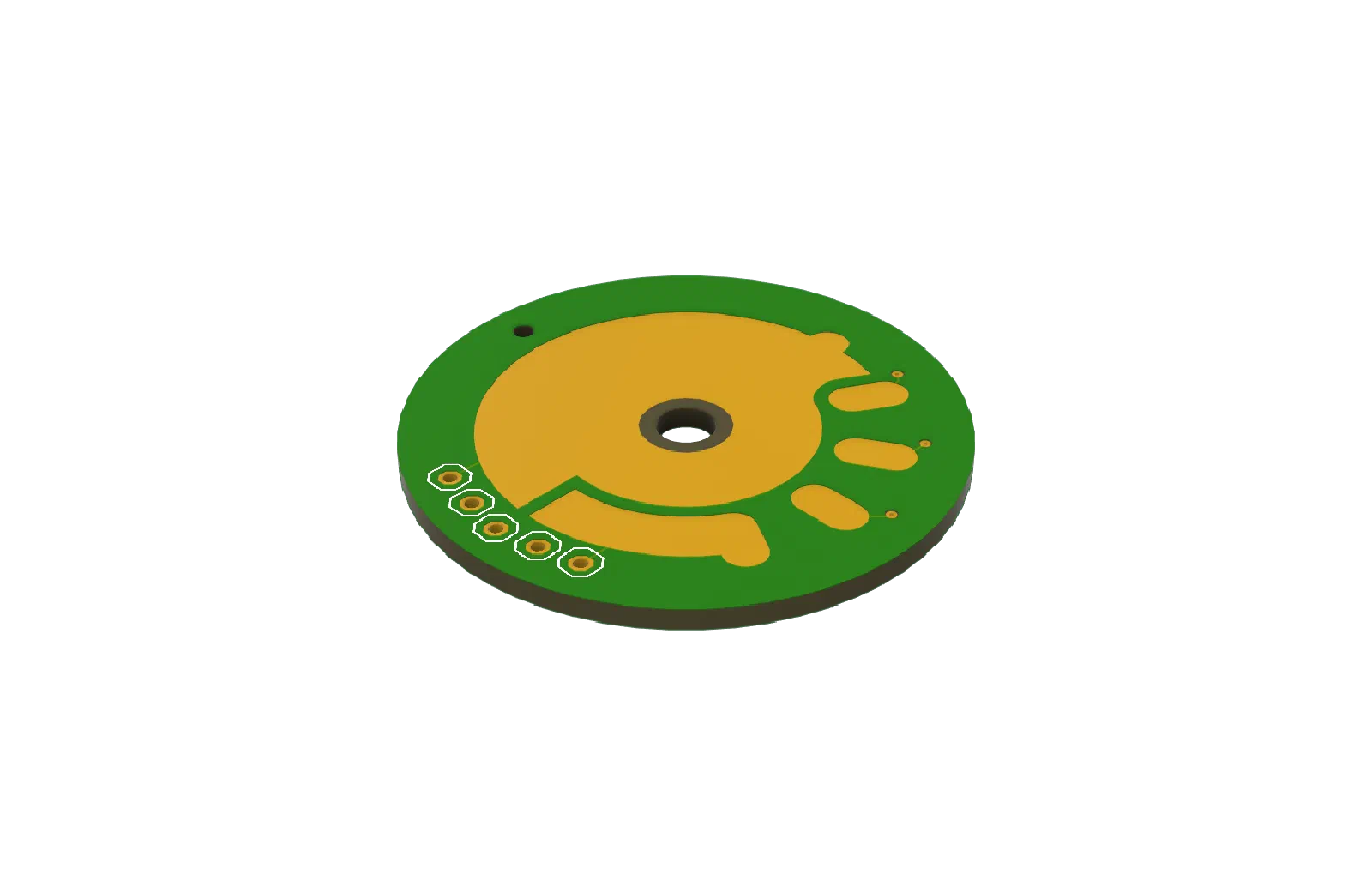
First Custom PCB
The custom circuit board was a step forward. Electrically, the design worked as intended, and the wiper and contact arrangement provided a more refined solution than the initial foil prototype.
However, getting the electrical switching right was only part of the problem. The switch still didn’t have the tactile feel I was looking for. The movement between positions needed to feel deliberate, with a distinct detent at each setting rather than simply moving the electrical contacts from one position to another.
The START position presented another challenge. On a real magneto switch, the key is spring-loaded in the START position and returns to BOTH when released. Reproducing that behavior while maintaining the feel of the other positions became the focus of the next round of designs.
Refining the Detents and Spring Return
The next several iterations focused primarily on the mechanical design. I needed to achieve two things at the same time: positive detents for each switch position and a reliable spring return from START to BOTH.
The designs evolved toward using internal springs to provide the necessary forces. This helped move the mechanism closer to the intended operation, but it introduced another problem. Uneven spring forces could cause the center rotating mechanism to bind.
The switch might work correctly through several operations, only to encounter resistance or stick during another. That inconsistency was a problem for a control that needed to operate reliably and feel natural every time.
Iterating on the Mechanical Design
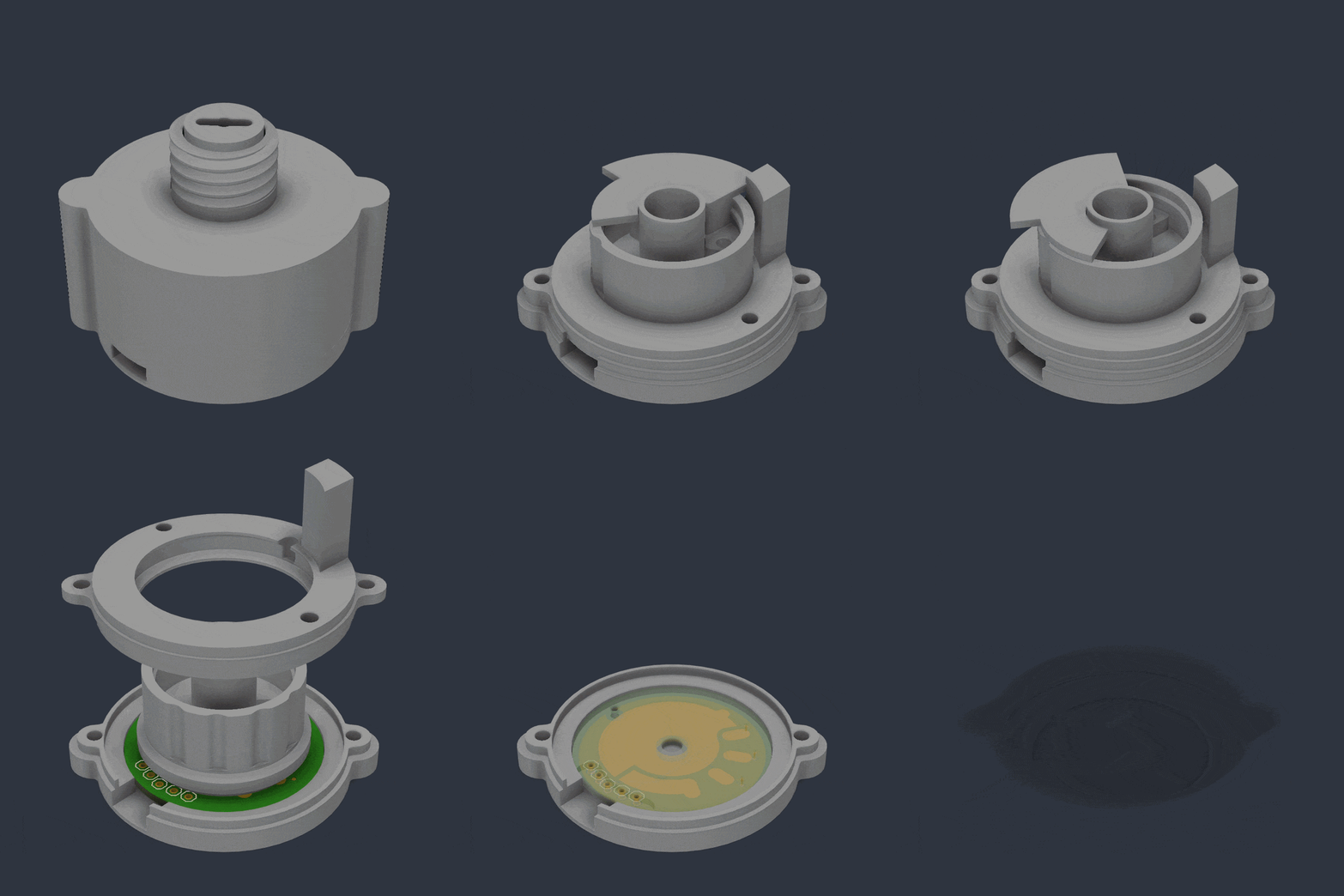
With the basic mechanism understood, the next few iterations concentrated on small mechanical changes. I adjusted the geometry, spring arrangement, and clearances to address the binding and improve the consistency of the rotation.
A lot of this work came down to tweaking the design, printing another version, and testing it again. Small changes in the geometry or tolerances could affect how the parts moved relative to one another and how evenly the springs loaded the mechanism.
Each iteration improved the design, and I was eventually able to get close to the feel I wanted. The switch had more distinct positions and a better spring return, but occasional binding remained.
At this point, continuing to make small adjustments to the existing design was becoming less productive. The mechanism was close, but it still wasn’t as consistent as I wanted it to be.
A Complete Redesign
After studying the behavior of the previous designs, I decided to start over one more time rather than continue refining a mechanism that still had fundamental issues.
The earlier prototypes had been useful in identifying what worked and what didn’t. I had a much better understanding of the spring forces, detent requirements, rotating mechanism, and tolerances needed to make the switch operate consistently.
The new design addressed the problems together rather than treating each symptom as a separate issue. The goal was to eliminate the binding, maintain the correct feel at each position, and make the assembly straightforward and repeatable.
This redesign was the breakthrough. The new mechanism operated consistently without the occasional binding that had affected the earlier versions. It was also easier to assemble, which was an important improvement as the design moved closer to a finished simulator component.
Final Design
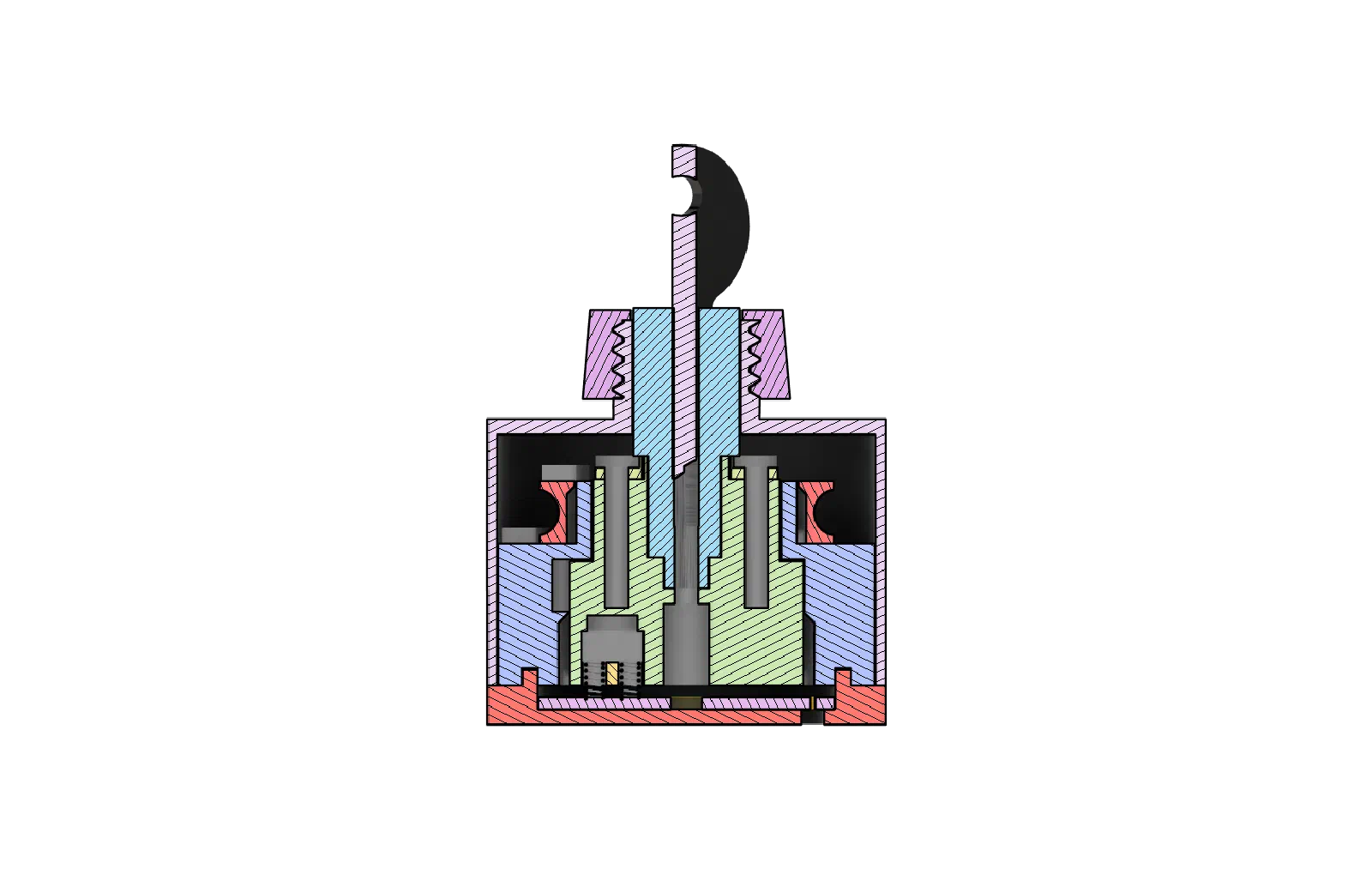
The final design achieves what I set out to accomplish. Each position has a distinct detent, and the START position springs back to BOTH when released. Most importantly, the switch has the tactile response I was trying to reproduce from the beginning.
The sound and feel are now much closer to those of a magneto switch in an actual aircraft. Rather than simply activating the correct electrical inputs, the control provides the physical feedback that makes operating it feel familiar.
This project was a good example of the difference between making something function and making it feel right. The initial design demonstrated the basic concept, the foil contacts and custom PCB helped establish the electrical arrangement, and the later iterations focused on getting the mechanics right.
It took more redesigns than I initially expected, but each version provided useful information that informed the next. The final result is a reliable, repeatable mechanism that captures both the operation and the tactile feel of the aircraft control.
What’s Next
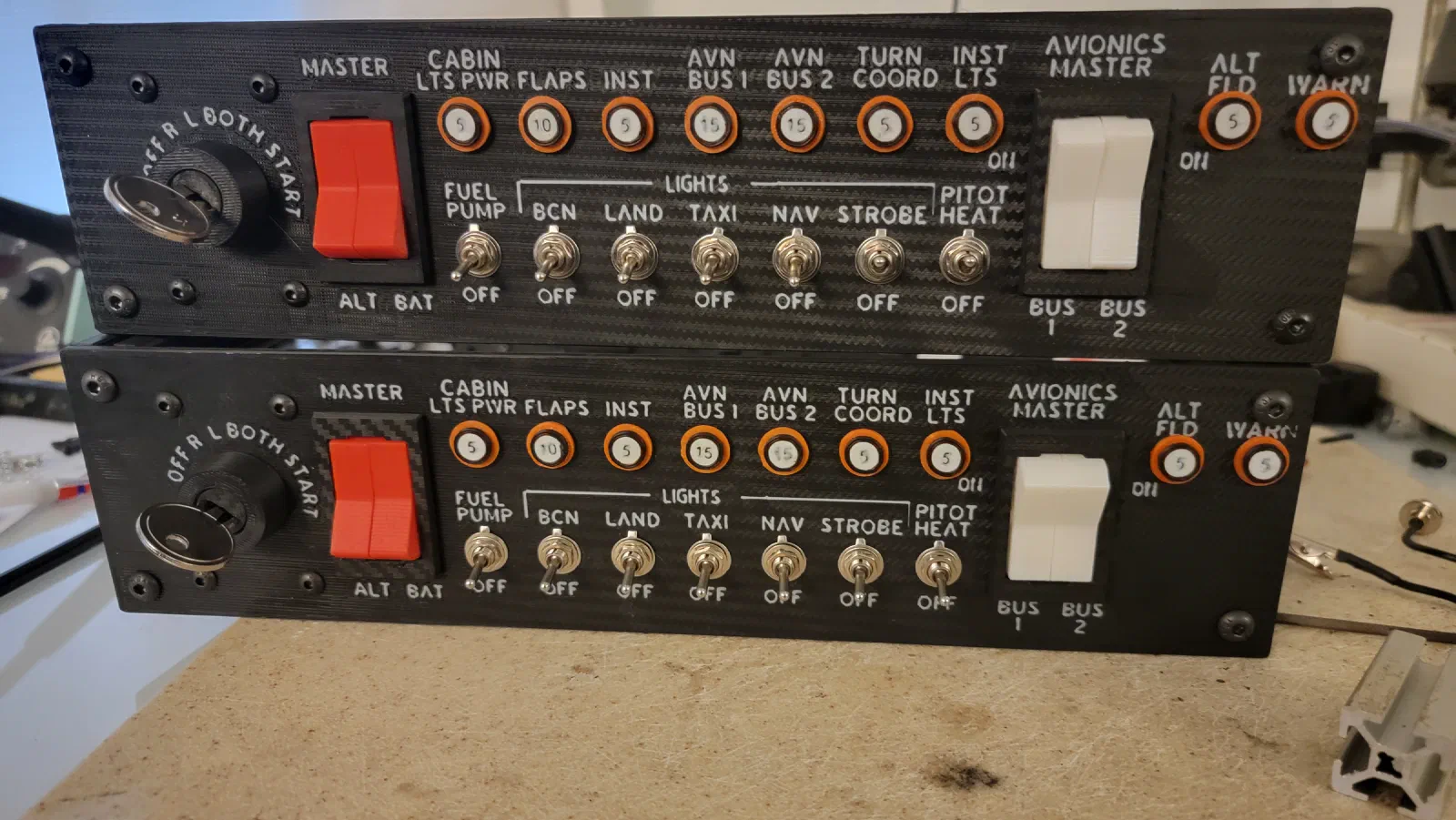
With the magneto switch mechanism working as intended, the next step is to incorporate it into the larger switch panel and continue refining the overall simulator hardware.
The goal remains the same throughout this project: to reproduce the controls of the aircraft as closely as practical, so that operating the simulator reinforces the familiarity and muscle memory developed during flight training.