TPM Console
Christopher Edwards
Refining the TPM Console: Current Configuration
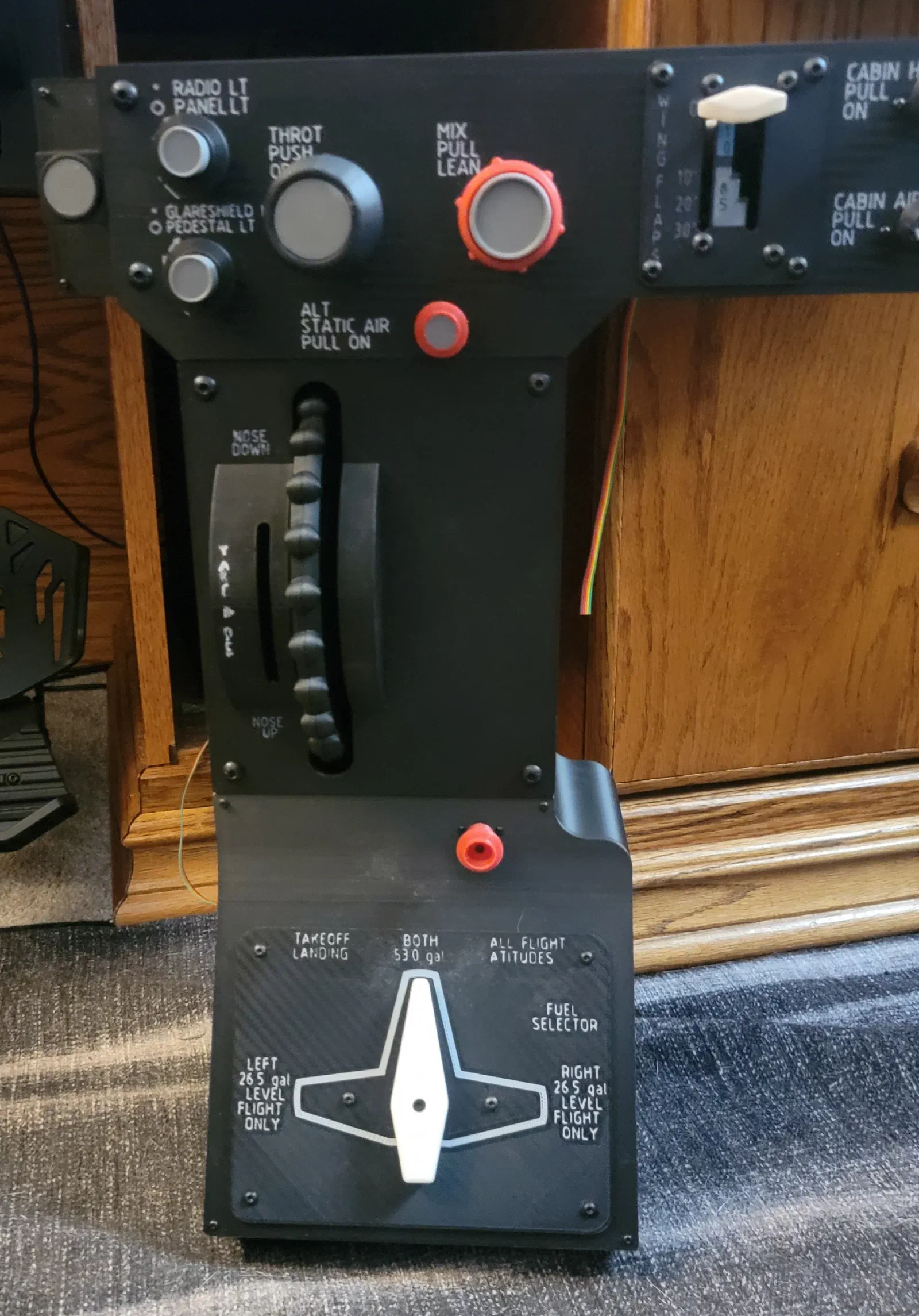
With the basic throttle, mixture, and trim controls established, the next step was to develop the TPM console into a more complete representation of the center console found in a Cessna 172.
Using the C172 in X-Plane as the primary reference, the goal was to keep the controls located around the throttle and mixture in the physical center console. The result is a more complete assembly that combines the primary engine controls with the surrounding aircraft controls.
Initial Concept
The starting point was the throttle and mixture controls, with the surrounding controls added based on their location and usefulness in the cockpit.
The current console includes:
- Throttle
- Mixture
- Four lighting controls
- Static air
- Flaps
- Cabin heat
- Cabin air
- Carb heat
- Trim controls
- Fuel stop
- Fuel selector
The trim and flap controls also incorporate servo-driven indicators. These are physically integrated into the controls rather than being separate standalone instruments.
[IMAGE PLACEHOLDER — C172 center console reference showing the corresponding controls]
C172 Configuration
One of the changes from the earlier TPM design was removing the propeller control.
A separate propeller control makes more sense for aircraft such as the C182 and other constant-speed-propeller aircraft. Since the current simulator is being developed around the C172, I decided to leave it out of this version of the physical console.
The controller interface will remain available, however. This means the electronics do not need to be redesigned if I eventually build another variation of the console for an aircraft that uses a propeller control.
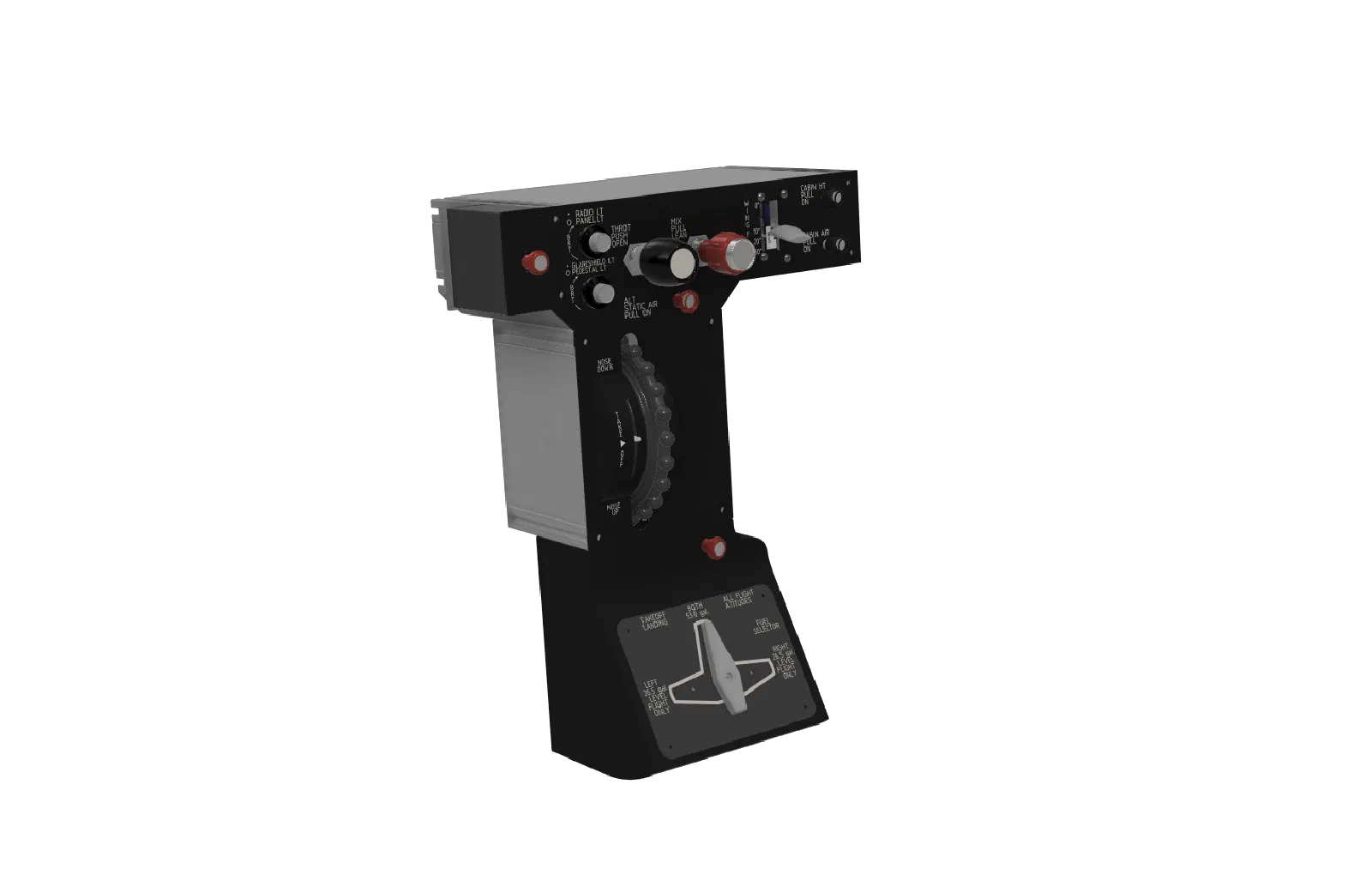
This keeps the current hardware focused on the C172 while leaving room for other aircraft configurations later.
Controls Around the Throttle and Mixture
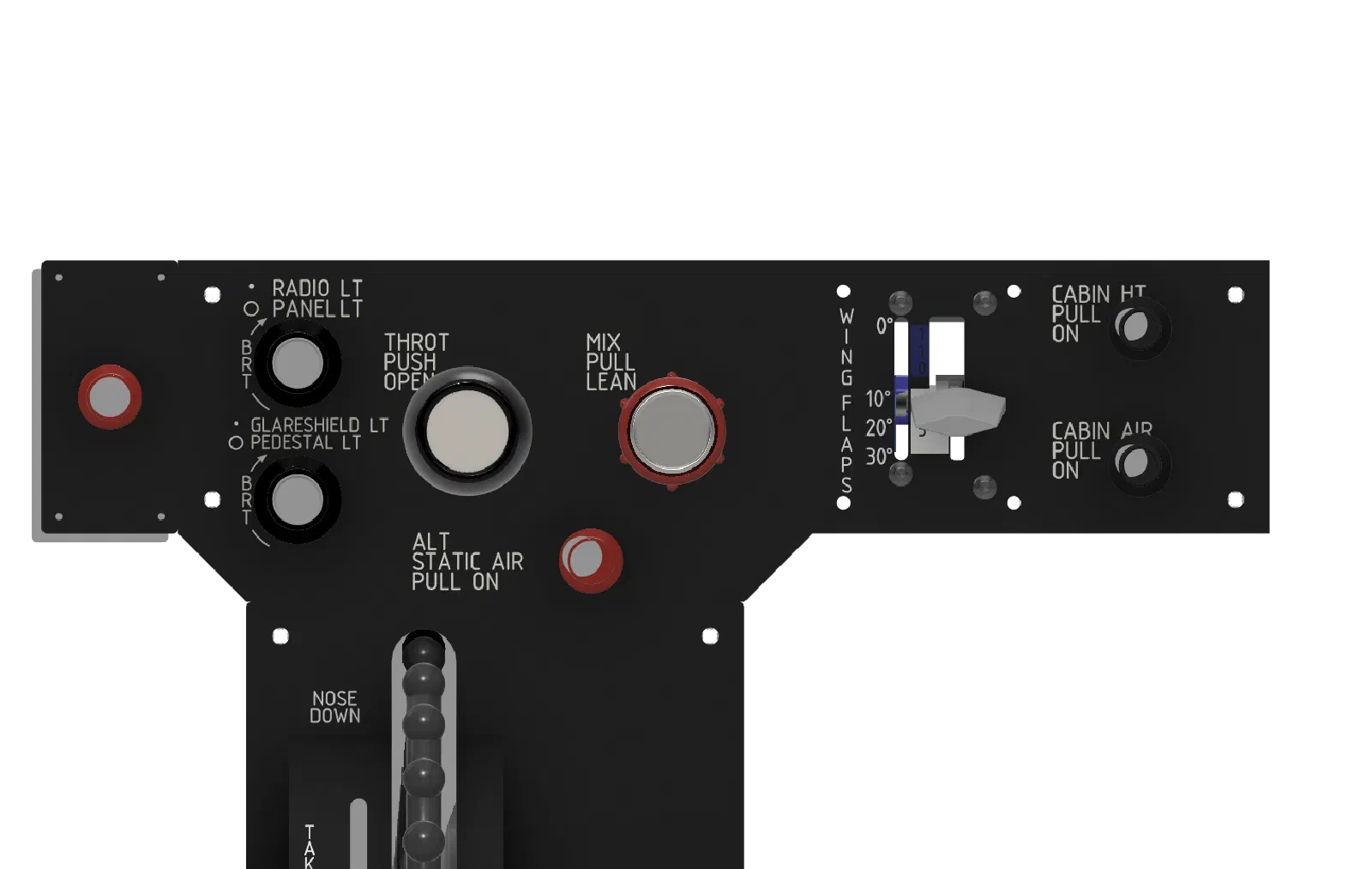
With the throttle and mixture established as the primary controls, the surrounding controls were added to reproduce the look and physical arrangement of the aircraft.
The four lighting controls, static air, cabin heat, and cabin air don’t currently add much functionality to the simulation. They help capture the look and feel of the aircraft while also providing interfaces for future expansion. The lighting controls could eventually be used to control lighting in other parts of the simulator, while the air and heat controls could be connected to additional components as those systems are developed.
This makes these controls useful even before their full functionality is implemented. They establish the physical layout now while leaving room to expand the simulator later without changing the basic console design.
Adding Carb Heat
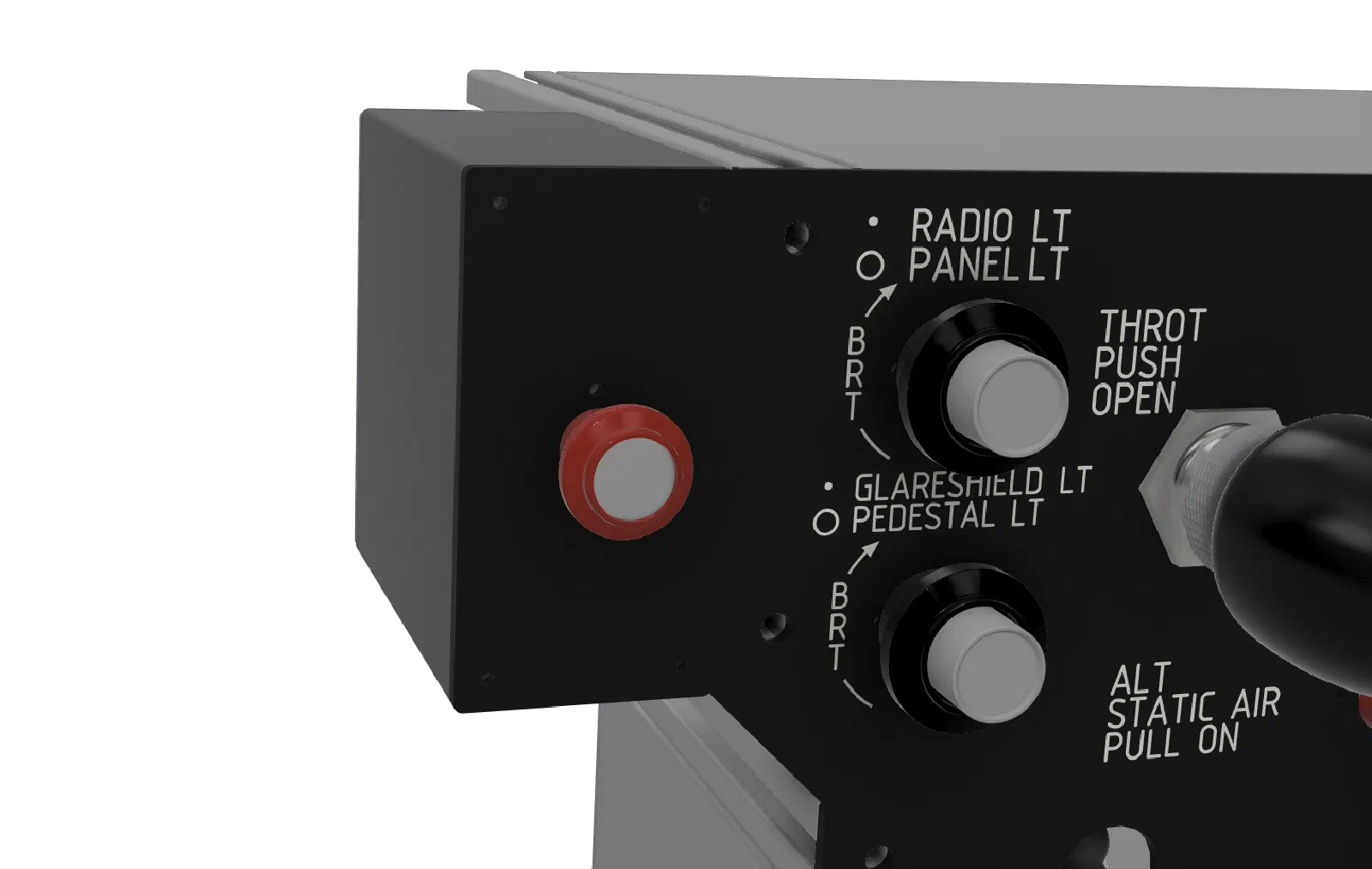
Carb heat was also added to the console.
The C172 configuration in X-Plane does not currently require the control, but the aircraft I use for training does have carb heat. Including it in the physical cockpit provides consistency with the procedures and checklists used during training.
In this case, the physical simulator is intentionally based on more than just the virtual aircraft model. The goal is to make the controls familiar when transitioning between the simulator and the aircraft.
Integrated Trim and Flap Indicators
The trim and flap controls incorporate servos to provide physical position indication.
Rather than adding separate indicators elsewhere on the console, the servos are integrated directly into the respective control assemblies. This keeps the mechanism compact and makes the physical controls themselves part of the indication system.
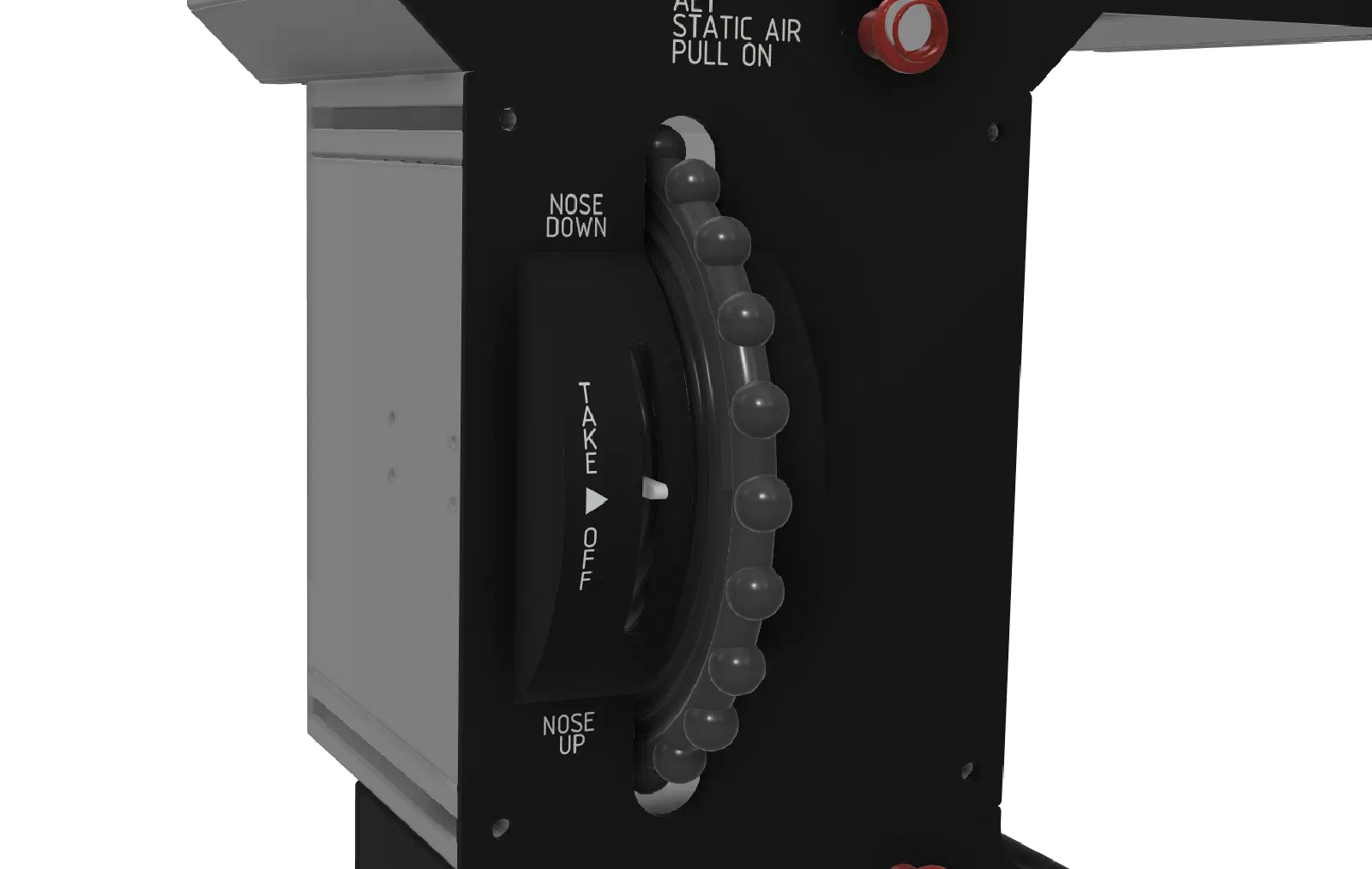
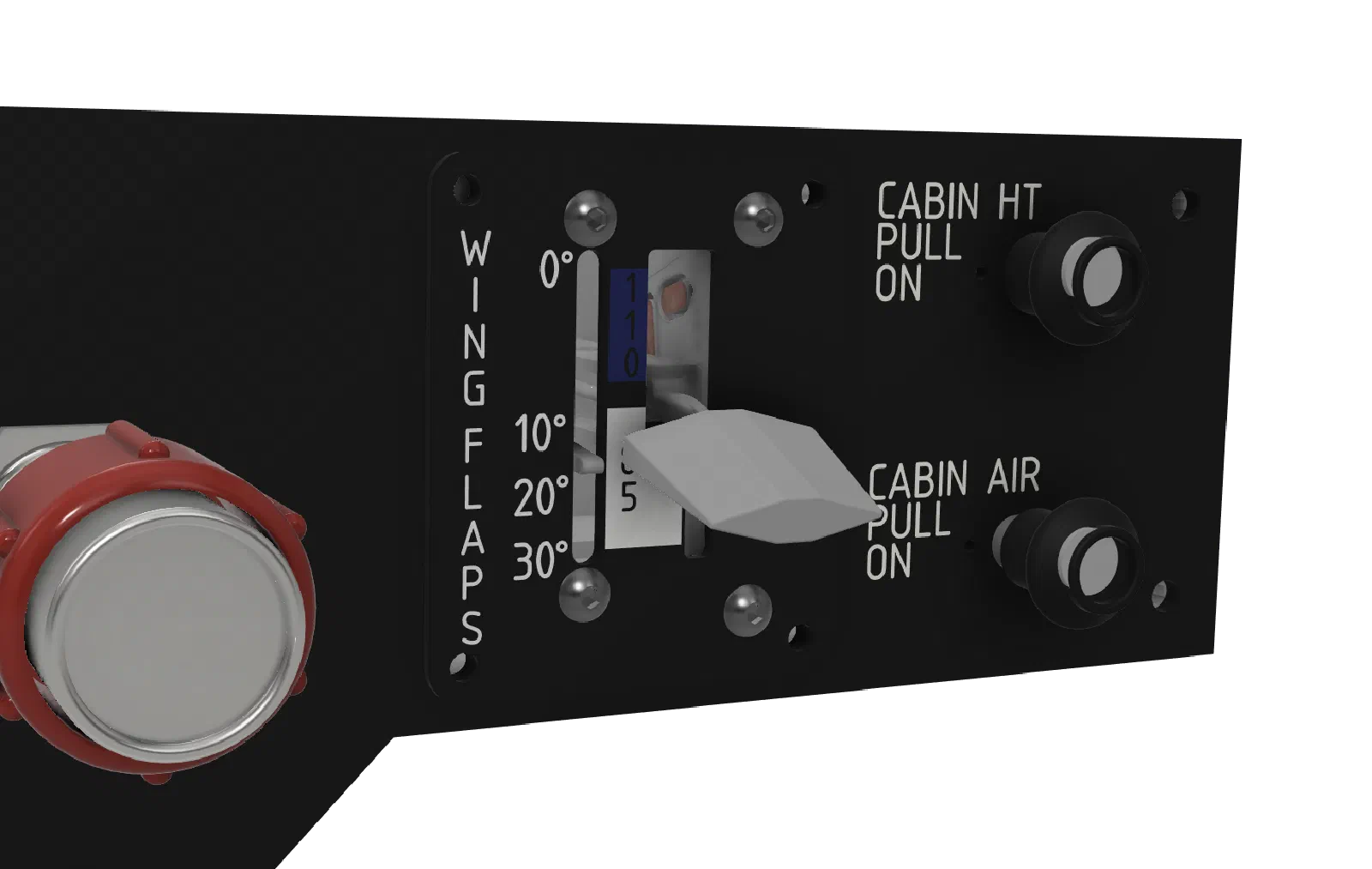
The hardware is now in place for these indicators, but the software interface is still a future step. The eventual goal is for the controller to receive the trim and flap positions from X-Plane and use those values to position the servos.
This will allow the physical indicators to reflect the state of the simulated aircraft, rather than only showing the position of a manually operated control.
Integration With the Rest of the Console
The TPM assembly connects directly with the trim, fuel stop, and fuel selector controls to form the center-console assembly.
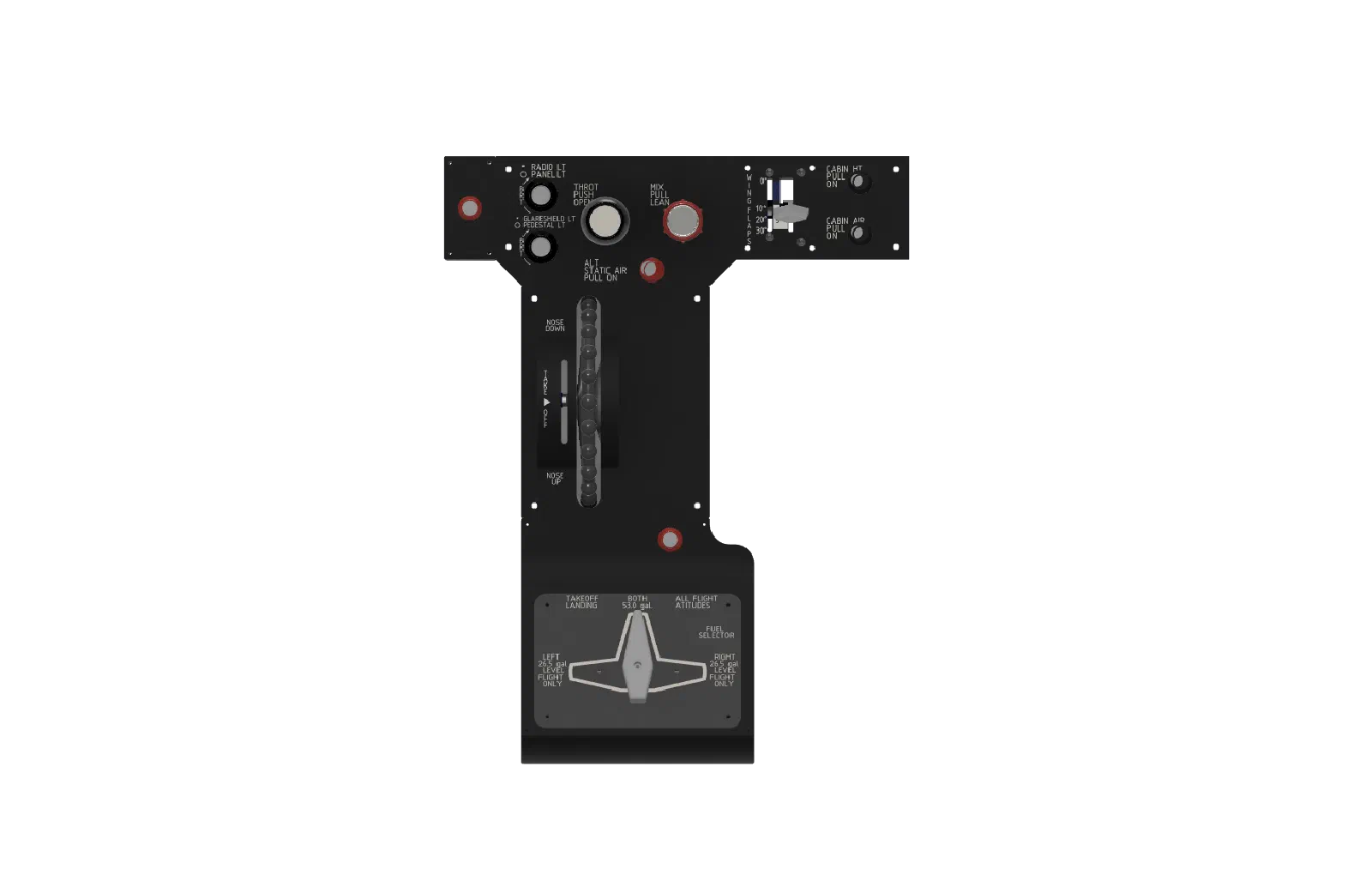
This arrangement keeps the major controls grouped together and gives the console a much closer relationship to the physical layout of the aircraft.
The throttle and mixture remain the primary focus, while the surrounding controls fill out the center console and make it feel like an aircraft control area rather than a collection of simulator inputs.
Current State
The TPM console has now evolved well beyond the original throttle and mixture controller.
The current C172-focused configuration provides the primary engine controls along with the surrounding controls needed to reproduce the look and feel of the center console. The propeller control has been removed from the physical design because it is more appropriate to aircraft such as the C182, but the underlying interface remains available for future variations.
The trim and flap controls now also incorporate servo mechanisms, providing the hardware foundation for physical feedback from X-Plane. Completing the software interface will allow those indicators to track the simulated aircraft’s trim and flap positions.
The lighting, air, and heat controls similarly provide a foundation for future expansion. While their immediate simulation functionality is limited, they create physical interfaces that can eventually be connected to other components as the simulator develops.
Lessons Learned
This stage reinforced the benefit of separating the physical configuration from the underlying controller.
The physical console can be tailored to a particular aircraft while the controller retains interfaces that may be useful for another variation. In this case, the C172 does not need the physical propeller control, but retaining the interface makes a future C182-style configuration much easier.
The same approach applies to the additional controls. Not every control needs to have a complete software implementation when it is first added. Establishing the physical interfaces now creates opportunities to expand the simulator later without having to redesign the console.
The integrated servo mechanisms also establish a path toward a more interactive cockpit. The console will eventually not only provide inputs to the simulator but also receive information from X-Plane and use it to reproduce aircraft states physically.
For now, the TPM console is focused on getting the physical layout and controls right while establishing the hardware interfaces needed for future software development.